- About Us
- Contact
- Our Process
- MoreHide

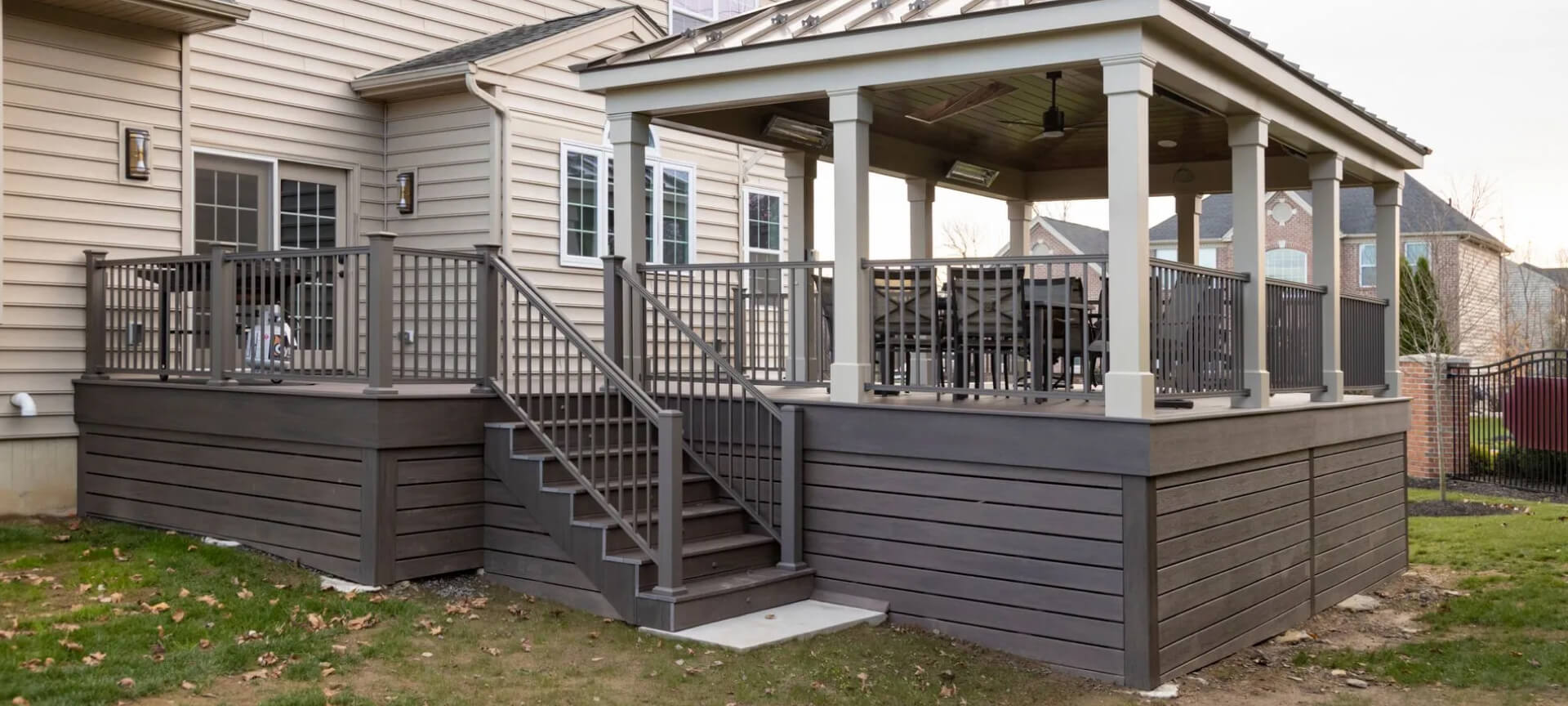
Before the first footing goes in, there is paperwork. Deck permits in Pennsylvania confuse a lot of homeowners, and it is easy to see why. Every township handles them a little differently. A rule in West Chester may not match one in Doylestown or Lansdale.
This guide explains the basics for homeowners in Chester County, Delaware County, Montgomery County, and Bucks County. It is a starting point, not legal advice. Always confirm the rules with your township.
Pennsylvania uses the Uniform Construction Code, often called the UCC. It sets minimum safety standards for building work, including decks. Permits make sure a deck is designed and built to those standards.
A deck carries people, furniture, grills, and snow. When it is attached to a house, a failure can be serious. Permits and inspections help catch problems with footings, framing, and railings before anyone gets hurt.
Here is the general picture for deck permits in Pennsylvania:
Here is the catch. Local municipalities can amend the state rules. One township in Chester County might follow the state exemption closely, while a township in Montgomery County may be stricter. The only safe move is to check with your local building or zoning office.
A building permit covers how the deck is built. Zoning covers where it can go. Common zoning factors include:
Zoning surprises are one of the most common delays. A good design accounts for them from the start.
Many neighborhoods across Delaware County, Bucks County, and Chester County have homeowners associations. An HOA approval does not replace a township permit, and a permit does not replace HOA approval. You may need both.
HOAs often ask for drawings, material samples, and color selections. Seeing products in person at our showroom can make those choices easier.
While details vary, deck permits in Pennsylvania tend to follow a similar path.
Review times depend on the township and the season. Spring is busy across all four counties, so planning ahead helps.
Our team helps manage this step as part of every project. You can see where it fits on our process page.
Inspectors focus on the structure. Common checkpoints include:
These details also decide how long your deck lasts. Our article on deck maintenance for Pennsylvania weather explains why moisture control matters so much.
A few habits make permit review faster in any township:
Starting the paperwork while design is still being finalized can keep the whole project on schedule.
Skipping deck permits in Pennsylvania can backfire. Possible outcomes include:
Permit costs are small compared with rebuilding a deck that fails inspection.
Replacing only decking boards may not require a permit in some townships. Replacing framing, footings, or the full structure usually does. If your current deck is failing, read about our deck repair services first.
Most homeowners would rather spend their time choosing a design than filling out forms. When you work with Deck Craft Plus, design, materials, permits, and construction are coordinated by one team. Explore our custom decks, covered outdoor spaces, and paver patios to get ideas.
If budget is a concern, our financing page explains your options.
Deck permits in Pennsylvania do not have to slow you down. Call Deck Craft Plus at 610-273-3317 or request a free consultation. We work with homeowners and townships throughout Chester County, Delaware County, Montgomery County, and Bucks County.
In most cases, yes. Attached decks and decks more than 30 inches above grade typically require a building permit under the UCC. Townships can adjust these rules, so check with your local office before you build.
It depends on the township, the season, and whether the plans are complete. Simple submissions can move quickly, while busy spring months may take longer. Complete, accurate drawings help avoid delays.
Some low, freestanding decks are exempt from a building permit under state rules. However, many townships amend that exemption or still require a zoning permit. Always confirm locally.
The homeowner is ultimately responsible, but most professional builders handle or help manage the process. Ask your contractor to explain their role in writing before work begins.
A roof adds weight and height, so covered decks almost always require a permit and a more detailed review. Plans typically show the roof structure, posts, and footing sizes.